
Categories
Parents Zone

Don’t be the “audience” for your child’s “acting”

Don’t be the “audience” for your child’s “acting”

https://www.shutterstock.com/zh/image-photo/one-sad-little-toddler-boy-asian-631510010 


Written by: Founder & Volunteer Director of Good Love Passion 

            Lam Ho Pui Yee


Praise is often misunderstood and misused. Some parents think that praise is a “cure-all” medicine and that their children will accept any praise they are given. In fact, children can’t accept sarcastic praise, and it will only turn them off and backfire. Appropriate praise is more effective than harsh punishment. Some comments can be hurtful and can even affect a child’s personality development for the rest of his or her life. Successful parents take advantage of opportunities to praise or encourage their children, as timely and appropriate praise can be motivating and inspiring, enabling children to grow in the right direction.


Smile and make eye contact at the same time

When praising your child, parents must smile and look into your child’s eyes at the same time. Such sincere feelings are the happiest and overflowing. Because praise is a double-edged sword – the right kind of praise will make a person feel confident and happy and move forward, but the wrong kind of praise will make a child lose his or her way and stagnate.


For example, when a child refuses to “sit down”, the parent should say “please sit down” with a matching expression. If the child is willing to comply, the parent can praise him immediately and then play a fun game with him. But if the child still does not comply, the parent can immediately take the child away from the scene to divert attention and guide him to follow instructions. Or when you tell the child to put the toy away, but he still looks at you and tosses the toy, testing to see if you will let him go. You can then say to him in a calm and gentle tone, “Please put the toys away gently,” or “Let’s learn to put away the toys together, okay?

https://www.shutterstock.com/zh/image-photo/happy-mother-clapping-little-daughter-when-674984575 


Guide your child to understand that expression is appropriate

Parents don’t have to tolerate their children’s bad behavior and minimize arguing or reassuring remarks, which only gives the child more room to continue “acting out” because they have found an “audience”, and some children may even be aggravated by your ignoring them or getting upset. We need to guide our children to understand that the only way to get what they want is to express themselves in an appropriate way. As long as the parent persists, the child will understand that the behavior will not get the parent’s attention and will naturally give up.

https://www.shutterstock.com/zh/image-photo/asian-little-boy-cry-lying-on-1471001003 


If the child stops this behavior, the parent can respond immediately by praising him for being quiet and then diverting his attention to other activities. Whenever a child receives praise from others, he or she will naturally exude confidence and joy, as well as a sense of trust and affection for the person who praised him or her. However, the repetition of a single form of praise over time can be ineffective, so parents should be careful to be creative in their praise.


Pay attention to the tone of voice and lead by example

Children are a gift from God, and it is only through love that other aspects of accomplishment do not become a form of bragging and pride. The difference in the tone of voice is enough to affect the parent-child relationship of detachment or closeness. Parents’ emotions and behaviors are related to their children’s future learning attitudes and personality traits. Because children mostly learn by groping and imitation, children will observe their parents’ treatment of others and use of words and phrases to learn their own emotional management and interpersonal relationships, so the importance of parents leading by example cannot be ignored. Even a hug, a smile or a look can establish a kind of appreciation. Parents are far more influential to children than teachers or peers. The more encouragement a child receives as they grow, the better it will be for their future development.


Each child has different characteristics, and parents should observe and explore their potential, allowing them to develop according to their strengths. “Encouragement helps children to grow, while scolding makes them timid. But the two must go hand in hand and not be biased.” Only through a clear distinction between rewards and punishments can children feel loved by their parents and know how to face mistakes and take responsibility for their own development.

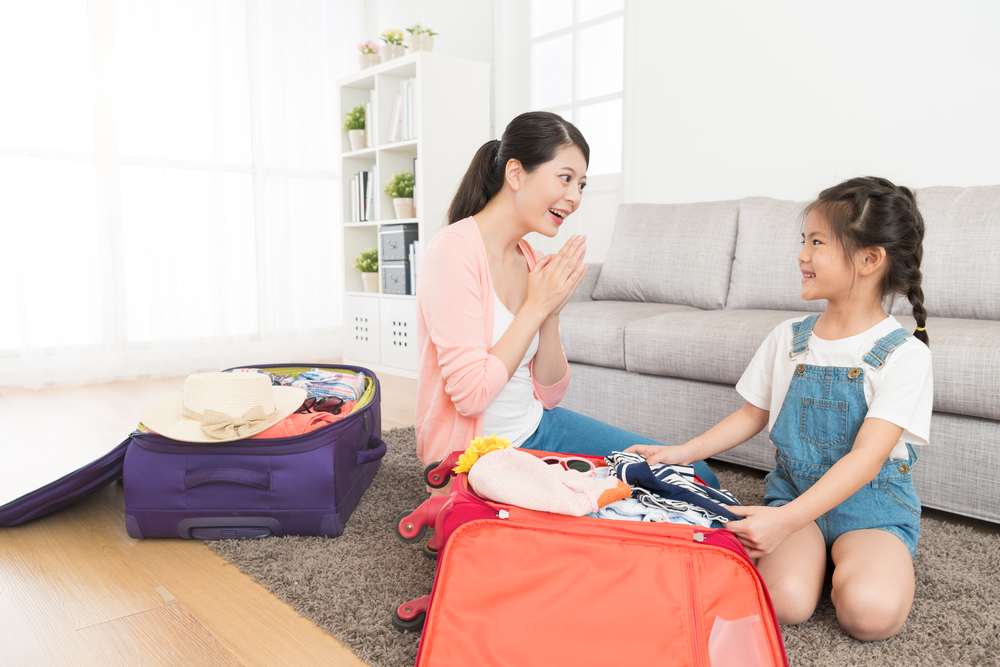
別成為孩子「表演」的「觀眾」

別成為孩子「表演」的「觀眾」

https://www.shutterstock.com/zh/image-photo/one-sad-little-toddler-boy-asian-631510010 


撰文:GLP 全力愛創辦人兼總幹事
   林何佩儀


讚賞經常會被誤解和誤用,有些家長認為讚賞是「萬靈藥」,任何的讚賞,孩子都會照單全收。其實,孩子無法接受語帶諷刺的讚賞,這樣只會令孩子反感,適得其反,不知方向。對待孩子,給予適當的讚賞比嚴厲的責罰更有效。有些說話會對孩子造成傷害,甚至會影響孩子一生的人格發展。成功的父母要把握可以讚賞或鼓勵孩子的機會,因為適時適當的讚賞能發揮激勵和鼓舞作用,使孩子能朝着一個正確的方向成長。


同時展露笑容與有眼神接觸

家長在讚賞孩子時,一定要同時展露笑容,並注視孩子雙眼,這樣真摯的感受是最幸福洋溢的。因為,讚賞是一把雙刃劍 ─ 恰當的讚賞,會讓人如沐春風,自信愉悅,努力向前;但錯誤的讚賞卻會弄巧反拙,讓孩子迷失方向,停滯不前。


例如當孩子不肯「坐定定」時,家長應配合表情跟他說「請你坐下」。如果孩子願意服從,家長可馬上稱讚他,然後跟他玩有趣的遊戲。但如果孩子仍然不服從,家長可立即帶小孩離開現場,轉移注意力及引導他跟從指示。或者當你告訴孩子把玩具放好,但他仍一邊看著你,一邊用力丟玩具,試探你會否放過他。於是你可以用平靜溫和的語調跟他說:「請溫柔地將玩具放好」,或者「我們一起學習收拾玩具,好嗎?」

https://www.shutterstock.com/zh/image-photo/happy-mother-clapping-little-daughter-when-674984575 


引導孩子明白表達方式要得宜

父母不需要款待孩子的不良行為,並盡量減少爭辯或安慰的說話,這只會給予孩子更多空間繼續「表演」,因為他們找到了「觀眾」,甚至有些孩子可能因為你的忽視或者鬧情緒,令不良行為變本加厲。我們要引導孩子明白,只有合宜的表達方式,才能得到他們想要的東西。只要父母堅持下去,孩子就會明白這些行為是不會得到父母的注意,自然就會放棄。


https://www.shutterstock.com/zh/image-photo/asian-little-boy-cry-lying-on-1471001003 


如果孩子停止這行為,父母就可以即時給他反應,讚賞他原來也可以很安靜,然後轉移他的注意力到其他活動上。只要孩子受到別人的讚賞,自然會散發出自信與喜悅,同時也會對讚賞自己的人產生信賴感和親切感。不過,長期重複單一的表揚方式會失去效用,所以家長在表揚時也應注意要有新意。


留意說話語氣 以身作則

孩子是上天賜予我們的禮物,只有在愛裡面,其他方面的成就感才不會變成一種炫耀和驕傲。說話語氣的不同,足以影響親子關係的疏離或親近;父母的情緒和行為關係著孩子未來的學習態度和人格特質。因為孩子大多在摸索與模仿中學習,孩子會觀察父母的待人接物和用字遣詞,進而學習自己的情緒管理以及人際相處,所以父母以身作則的重要性是不容忽視的。即使是一個擁抱、一個微笑、一個眼神,都能成立一種讚賞。對孩子而言,父母的影響力遠勝於師長或同儕。在孩子成長過程中,得到愈多鼓勵,對他們未來的發展愈有幫助。


每個孩子都有不同的特點,父母應該觀察並發掘他們的潛能,讓他們順著自己的優勢去發展。「鼓勵可以使孩子成長,責罵卻會讓孩子膽怯。但兩者仍須並行,不可偏頗。」唯有賞罰分明,才能讓孩子感受到父母的關愛,並懂得面對錯誤並承擔責任,健全發展。

乞嗤不斷 如何改善鼻敏感?

乞嗤不斷 如何改善鼻敏感?


撰文:趙長成醫生

只要一轉季,不論是小朋友還是大人,都容易受到鼻敏感問題困擾。例如小朋友可能因鼻敏感而出現呼吸困難,感到鼻塞而影響睡眠質素,以及整天要抹鼻涕等, 如果情況嚴重更可能出現睡眠窒息症狀。 


由於鼻敏感可以因先天和後天因素所形成,雖然因先天性而出現的鼻敏感很難「斷尾」,但如果後天因素能夠控制得宜,那麼小朋友病發的機會便會大為減低。 


如何預防後天因素引致的鼻敏感?

由後天因素引致的鼻敏感,主要包括以下因素:

  1. 家居的致敏原 

  2. 室外的致敏原 

  3. 一些感染性的疾病 


如以家居而言,積聚的塵埃愈多,愈容易誘發鼻敏感症狀,所以家長除了要勤於為小朋友清洗床舖外,還要拿走一些毛公仔和玩具,而床單、被舖及枕頭等易於藏塵的東西,則需要用60度左右的熱水清洗,每4天清洗一次就最好。


假如室外的環境較多塵,家長可能需要關上一部分的窗戶,保持空氣流通之餘,同時亦要減少塵埃。此外,減少感染機會也十分重要,因為一旦小朋友在學校裡出現互相交叉感染的情況,任何病毒也可以讓鼻敏感惡化。


除了減少接觸致敏原和感染機會外,我們亦可以在日常生活中預防鼻敏感,例如早睡早起、進行適量的運動和適當飲食,對防治鼻敏感會有很大的幫助。


鼻敏感有機會不再復發嗎?

鼻敏感的治療需視乎病情對小朋友的影響有多大,如果影響屬於輕微,我們只需透過家居護理或控制環境因素就已經足夠。可是如果病情對小朋友影響較嚴重,令他經常感到不適,可能需要口服藥物的治療,有需要的情況下會使用一些噴霧式鼻劑治療,以減少小朋友的不適。


假如所有環境因素受到控制,再加上藥物的治療,在大部分情況下,鼻敏感都可以成功控制,也未必會再次復發。

Keep sneezing. How to improve allergic rhinitis?

Keep sneezing. How to improve allergic rhinitis?

https://www.shutterstock.com/zh/image-photo/sick-little-asian-boy-wiping-cleaning-547710289 


Written by : Dr Chiu Cheung Shing

As soon as the season changes, both children and adults are susceptible to allergic rhinitis problems. For example, children may have difficulty in breathing due to allergic rhinitis, feel stuffy nose that affects their sleep quality, and have to wipe their noses all day long, and if the situation is serious, they may even suffer from sleep apnoea. 


Allergic rhinitis can be caused by both congenital and acquired factors.  Although it is difficult to cure allergic rhinitis due to congenital origin, if the acquired factors can be properly controlled, then the chance of children having the disease will be greatly reduced.


How to prevent allergic rhinitis caused by acquired factors?

Allergic rhinitis caused by acquired factors mainly include the following factors.

1. allergens at home 

2. outdoor allergens 

3. some infectious diseases


As for the home, the more dust accumulated, the more likely to induce allergic rhinitis symptoms, so parents should be not only more frequent cleaning the bed for children, but also take away some of the stuffed animals and toys, and bed sheets, quilts and pillows and other things that are easy to hide dust, you need to wash with hot water at about 60 degrees, once every 4 days to clean the best.


https://www.shutterstock.com/zh/image-photo/cute-asian-children-stretching-on-white-1400995370 


If the outdoor environment is dusty, parents may need to close some of the windows to keep the air flowing and to reduce dust at the same time. It is also important to reduce the chance of infection, as once children have cross-infected each other at school, any virus can also worsen allergic rhinitis


In addition to reducing exposure to allergens and infections, we can also prevent allergic rhinitis in our daily life by sleeping and waking up early, doing the right amount of exercise and eating a proper diet, which will help a lot in preventing allergic rhinitis.


Is there a chance that allergic rhinitis will not recur?

Treatment of allergic rhinitis depends on how much the condition affects the child. If the effect is mild, home care or environmental control is sufficient. However, if the condition is more severe and causes frequent discomfort, oral medication and, if necessary, aerosol nasal spray may be required to reduce the discomfort.

https://www.shutterstock.com/zh/image-photo/little-asian-girl-has-nasal-congestion-1376156642 


If all environmental factors are controlled and treated with medication, in most cases, allergic rhinitis can be successfully controlled and may not recur.

Letting go and letting your child become an independent person

Letting go and letting your child become an independent person


https://www.shutterstock.com/zh/image-photo/happy-asian-family-garden-they-having-1936804654 


Written by: Founder & Volunteer Director of Good Love Passion 

          Lam Ho Pui Yee


From childhood to adulthood, independence does not happen overnight. From the cradle to society, this journey is made up of countless small steps, and every small step in a child’s development is an opportunity for parents to learn to let go. 


Because we can’t be with our children all our lives and take care of them until they grow old, we as parents should know how to let go in a timely manner. The purpose of letting go is to help your child grow and become an independent person who can take responsibility for himself. This kind of love has deep meaning.


How to let go


  1. love and discipline go hand in hand


Many parents want to be friends with their children, but respect is not an indulgence. In my opinion, being a friend to your child means that you want to share and communicate more about each other’s inner worlds, but not in respectful way, children still need the guidance of their parents. Instead of worrying about how to be your child’s friend, you should think and learn how to be your child’s coach and spiritual support. Therefore, listening to children and observing their behavior is the first step in teaching children self-regulation. By learning to listen to their children, parents will be able to understand their children’s potential, interests and passions, and give them the help and support they need to let go.

https://www.shutterstock.com/zh/image-photo/happy-mother-talking-little-girl-home-1428365297 


Give children the opportunity to deal with things and learn from their mistakes


Many parents seem to forget that a crying baby eventually learns to sleep without being held, or the joy and emotion of seeing a The ecstasy and emotion of seeing a baby take its first steps without the support of someone. When a child faces conflict, problems or mistakes, parents should not rush to advocate, step in or make amends. Never deprive your child of the opportunity to learn from mistakes and failures, because children learn the ability to advocate for themselves and solve problems, and to take responsibility for the consequences of their choices or actions. In the process of letting go, you allow your child to try mistakes and accept failure.

https://www.shutterstock.com/zh/image-photo/asian-parent-seated-on-floor-home-2131670433 


  1. Delay in meeting the needs of the child


We need to let go of the myth that parents don’t have to meet what their children want. In setting boundaries, it is important to delay gratification. We need to distinguish between our child’s “wants” and “needs. When a child asks for something, don’t just give him what he wants. You can wait until his birthday to give him a gift or encourage him to save up to buy it. Many parents in the West encourage their children to help their neighbors hoe their lawns to earn pocket money to buy things they want, because they will appreciate the things they have worked hard for through their own efforts.


In addition to helping children grow and feel responsible for their own lives, there is a higher value in letting go, which is to turn small love into big love. Parents need to learn to let go and bless their children to pursue their lives. When you start to let go, you will find that there is infinite space in life.

Categories
Parents Zone Parents Zone Parents Zone Parents Zone

學習放手 讓孩子成為獨立自主的人

學習放手 讓孩子成為獨立自主

https://www.shutterstock.com/zh/image-photo/happy-asian-family-garden-they-having-1936804654 


撰文:GLP 全力愛創辦人兼義務總幹事

   林何佩儀 


孩子從孩童到成年,獨立不是一夕之間發生。從搖籃到出社會,這段人生旅程是由無數小步走出來的,而孩子成長過程中的每一小步,都是父母學習放手的機會。 


因為我們無法陪伴孩子一輩子,照顧他到老,所以身為父母,要懂得適時的放手。放手是為了幫助孩子成長,讓他成為一個獨立自主的人,並且能夠為自己負責,這樣的愛才深具意義。


怎樣放手

  1. 愛與紀律並行

許多父母想要和孩子做朋友,但尊重並不是放任。筆者認為,做孩子的朋友,是想和孩子分享、溝通彼此更多的內心世界,但不是沒大沒小,孩子仍需要父母的引導。與其苦惱如何當孩子的朋友,不如好好思考與學習如何成為孩子的教練和精神支柱。所以,傾聽孩子的聲音,觀察他們的行為,是教育孩子自我規範的第一步。父母學會傾聽孩子,將有助於了解孩子的潛能、興趣與熱情所在,也才能給孩子需要的協助與支持,就能放手。

https://www.shutterstock.com/zh/image-photo/happy-mother-talking-little-girl-home-1428365297 


  1. 給孩子機會處理事情,從錯誤中學習 

許多父母似乎忘了,哭泣的嬰兒最終要學會沒有人抱著而入睡,也忘了當年看到幼兒在沒有人的扶持而踏出第一步的狂喜和感動。當孩子面對衝突、問題或做錯時,父母不要急著代言、出手或善後。千萬不要剝奪孩子從錯誤、失敗中學習的機會,因為孩子可以從中學習到為自己主張以及解決問題的能力,以及為自己的選擇或行為的後果負起責任。放手的過程中,你要允許孩子嘗試錯誤,並接受失敗。


https://www.shutterstock.com/zh/image-photo/asian-parent-seated-on-floor-home-2131670433 


  1. 延遲滿足孩子的需求

我們要放掉一種迷思,不是孩子想要的東西,做父母的都要滿足。在設定界限中,延遲滿足很重要,我們要區分孩子的想要需要。孩子要求某樣東西時,不要有求必應,你可以等到他生日時送他,或鼓勵他自己存錢買。西方很多父母,都會鼓勵孩子去幫鄰居鋤草賺取零用錢,來購買自己想要的東西,因為透過自己努力,辛苦得來的東西,他們會比較懂得珍惜。

放手除了幫助孩子成長,讓他對自己該負的責任有感覺之外,還有一個更崇高的價值,就是化小愛為大愛。父母要學習放手,祝福孩子去追求他的人生。當你開始放手時,你會發現,原來生命有無限寬廣的空間。

兄弟姊妹常爭執 家長角色尤重要

兄弟姊妹常爭執 家長角色尤重要

https://www.shutterstock.com/zh/image-photo/two-angry-siblings-looking-each-other-1982121473 


撰文:家庭動力創辦人
   婚姻及家庭治療師
   兒童遊戲治療師 吳綺琴 

近來接受遊戲治療的個案中,有好幾個孩子的情緒問題都與年幼的兄弟姊妹相處有關。但大多數的起源都不是甚麼大爭執,而是在細微的互動中,大家都在爭取母親的關注,比較彼此之間得到母親多少的正面回應,比較母親對誰的「愛」多一些!孩子的手足相爭,往往是因為對兄弟姊妹產生嫉妒,而藉機發洩不滿情緒。


確實,每個人都「偏心」,父母也如是。不論是先天的性格及後天的培育,都會令他們鍾愛某些表現及行為模式。若父母沒有深思這個問題,他們不會因為孩子都是自己子女而眼光突然變得開闊。


對於孩子的不同性格,父母或會對某些特質特別欣賞,某些特質較為抗拒,這是可以理解的。問題是父母必須對這種狀況有所意識及察覺,並讓自己先跳出狹隘的框架,讓自己在父母的角色中成長,增加自己眼界的寬度和闊度,並學習欣賞孩子性格的差異,從心底裡欣賞孩子獨特的優點,在日常生活中傳遞出去,讓孩子接收得到,能自我肯定,這樣才能避免手足相爭的問題惡化,令孩子產生不必要的嫉妒及猜忌。


在孩子年幼的階段,母親的角色尤為重要,因為母親與孩子的互動質素如何,對孩子的自我價值及安全感建立有關鍵性的影響。在最近這幾個個案中,不約而同地發現孩子家中都有一個活潑開朗、善解人意、喜歡表現自己,甚得大人及老師歡心的兄弟姊妹。在言談之間,筆者也看到母親在描述這人見人愛的孩子時那份喜悅及自豪,無怪個案中的孩子因性格較內向、寡言、害羞和謹慎, 往往有被比下去的感覺。


https://www.shutterstock.com/zh/image-photo/little-child-boy-tall-standing-arms-1758083429 


有一位母親也意識到要欣賞兒子的能力,於是不斷讚賞他,但在性格上,卻不經意地鼓勵兒子以姐姐為榜樣,多表達和融入群體當中,但這實在非孩子性格的本質,令孩子會懷疑自己的性格一定是有甚麼缺憾,不能得到母親接納。這種內在的傷痛,很容易化為孩子對姐姐的嫉妒情緖,令父母更覺得孩子對姐姐的態度無理,會更進一步令孩子不能走出這個負面循環。


筆者建議父母不要拿孩子來比較,對較內向、害羞、寡言和謹慎的孩子,多安撫他們:「你不需要強迫自己學哥哥一樣與小朋友玩,你靜靜地觀察已是一種參與,待你覺得安心時再出去玩也不遲!」或說「不是每個孩子都需要像姐姐那樣健談或喜歡在人前表演,媽媽喜歡你能按自己的意思,在你認為適當的時候表達自己便可以了。」


https://www.shutterstock.com/zh/image-photo/mother-helping-children-homework-177030086 


對情緒反應較大和行為較衝動的孩子,在安全的情況下,先聆聽他們,後才幫助他們糾正行為:「你的反應這麼大,要打哥哥,你心裡一定感到很憤怒,讓我聽聽你的感受好嗎?」父母有時候確實要處理孩子「爭些甚麼」,但有更多的時候,父母要做的是滿足孩子心理及情感的需要,肯定他們的本質,孩子自然能夠好好相處!

Siblings often quarrel with each other and the role of parents is especially important.

Siblings often quarrel with each other and the role of parents is especially important.

https://www.shutterstock.com/zh/image-photo/two-angry-siblings-looking-each-other-1982121473 


Written by : Founder of Family Dynamics

        Marriage and Family Therapist 

        Children Play Therapist           

Ng Yee Kam


In recent play therapy cases, several of the children’s emotional problems were related to their young siblings’ relationship. Most of these problems were not caused by major arguments, but rather by subtle interactions in which each child was seeking the mother’s attention, comparing how much positive feedback they received from each other, and comparing who the mother “loved” more! Children often fight with each other because they are jealous of their siblings and take the opportunity to vent their frustrations.


It is true that everyone is “biased” and so are parents. Both inborn and nurtured personalities can lead to a preference for certain behaviors and behavioral patterns. If parents do not think about this, they will not suddenly become more open-minded because their children are their own.


Parents may be more appreciative of certain traits and more resistant to certain traits in their children’s different personalities. This is understandable. The problem is that parents must be aware of this situation and be aware of it and allow themselves to grow beyond the narrow framework of their parental role, increase the breadth and width of their own vision, learn to appreciate the differences in their children’s personalities, and appreciate their children’s unique strengths from the bottom of their hearts, and pass them on in their daily lives so that their children can receive them and affirm themselves. This will prevent the problem of sibling rivalry from worsening and causing unnecessary jealousy and suspicion in children.


The mother’s role is especially important during the early years of a child’s life because the quality of the mother’s interaction with the child has a critical impact on the child’s self-worth and sense of security. In these recent cases, it was not uncommon to find that the children had a sibling in the family who was cheerful, understanding, and liked to express herself, and was well liked by adults and teachers. I could see the mother’s joy and pride when describing her child. No wonder the children in these cases often felt compared to the others because they were more introverted, reticent, shy and cautious.

https://www.shutterstock.com/zh/image-photo/little-child-boy-tall-standing-arms-1758083429 


One mother was aware of the need to appreciate her son’s abilities, so she kept praising him, but in terms of character, she inadvertently encouraged her son to follow her sister’s example by expressing himself more and integrating into the group. However, this is not the nature of the child’s character and makes the child suspect that there must be something wrong with his or her character that cannot be accepted by the mother. This internal pain can easily turn into jealous emotions towards the elder sister, making the parents feel that the child’s attitude towards his/her sister is unreasonable, and further preventing the child from breaking out of this negative cycle.


I suggest that parents should not compare their children. For children who are more introverted, shy, reticent and cautious, they should be more reassuring: “ You do not need to force yourself to play with children like your brother, you quietly observe is already a kind of participation, when you feel at ease then go out to play is not too late. Or, “Not every child needs to be as talkative as their elder sister or like to perform in front of people; Mom likes it when you can express yourself as you see fit. “


https://www.shutterstock.com/zh/image-photo/mother-helping-children-homework-177030086 


For children who are more reactive and impulsive, listen to them first and then help them correct their behavior if it is safe to do so: “You are reacting so strongly to hit your brother, you must feel very angry inside, let me hear how you feel, okay? Sometimes parents do have to deal with their children “fighting for something,” but more often than not, what parents need to do is to meet their children’s psychological and emotional needs and affirm their true nature, so that their children can naturally get along well.

“I’m so tired” How to improve the feeling of tiredness?


“I’m so tired” How to improve the feeling of tiredness?

Written by: Chinese doctor Yiu Yee Chiu


As a parent, it can be exhausting to take care of a family and work. In my spare time, I like to watch talk shows and listen to the unique views of celebrities on life and their outlook on life. Once they talked about the busy life of Hong Kong people and how fatigue seems to be an inevitable “by-product”. However, we were told that we are not tired because we are all like that and it is just a normal physiological reaction. So, is this true?


Tiredness is actually a subjective feeling, so only you can understand it. In some cases, it can be seen in behavior, such as reluctance to get up, weakness in speech, lack of normal physical strength, etc. According to a Chinese Medicine Practitioner, fatigue involves the five viscera and six internal organs, mainly the spleen, liver and kidneys, with the spleen being the most important, which falls under the category of “deficiency fatigue”.


Three types of fatigue have different causes

Fatigue can be classified from different perspectives. One way is to classify fatigue into three categories: physical, mental, and psychological. Physical fatigue is the most common and the most easily noticed. After normal work, it is normal to feel tired and can recover after rest. However, if you cannot recover after rest, or if the number and degree of fatigue is too much, this is fatigue, which can also be said to be a “sub-health” state.


Brain fatigue is caused by overuse of the brain. The most basic symptoms are memory loss and lack of concentration. Other symptoms include drowsiness, lack of concentration, auricular fever, and lack of hearing. Mental fatigue is a psychological feeling after excluding physical problems, and may be triggered by lack of sleep or inadequate nutritional supply. If more than one of these manifestations occurs at the same time, it is likely to be characterized as what is known as “fatigue syndrome”.


Fatigue is related to the disorders of the five organs

From the perspective of Chinese medicine, the appearance of fatigue is closely related to the imbalance of the five viscera. Different symptoms may be related to a particular internal organ, for example, lack of qi is mostly related to the lung. Chinese medicine believes that the overall activity of the human body depends on the state of vital energy. The Yuan Qi ” Human nature inborn and nourished later”, means that the Yuan Qi from the parents of the essence, after birth, mainly from the diet of water and grain essence of the supplement and nourishment, while relying on the normal function of the spleen and stomach and with the help of the natural qi (i.e. good air), although they are tired, but there are differences in the form.


People can be divided into the following four main body types: 


1. Phlegm-damp body type: This type of person is not only obese, but also has a lot of fatigue and phlegm, is easily sleepy, has lazy limbs, has stomach discomfort after eating, and has loose stools. In addition to the Chinese medicine can be adjusted, can also rely on long-term physical exercise to improve. Including jogging, swimming, Tai Chi, “Eight Duan Kam” etc.


2. Qi deficiency: these people have insufficient lung energy, lack of energy, it would have a feeling of fatigue when little working. Since the strength of liver qi is related to the immunity of the body, they are prone to illness. Other symptoms include laziness, frequent sweating, a low voice, a pale tongue with white fur, and a weak pulse. Although exercise can be encouraged, it is necessary to start slowly and increase gradually. In addition, you can use the Qihai point in the abdomen as the center of a circular massage, three times a day, for 10 minutes each time. This method can strengthen the spleen with stomach and nourish the essence.


3. Yang body type: These people have low overall metabolism and will show fear of cold, depression and drowsiness. In addition to taking Chinese medicine, you can also use the “warm umbilical cord method” to strengthen nephron. The method is to use a lit moxa stick to moxibustion on the umbilicus above the Shen Pao point for 15 minutes twice a day, mainly to feel the warmth and tolerable.


4. Depressed body: most of the manifestations are unstable, easily depressed, lack of perseverance, suspicious and other psychological imbalance. Of course, physical discomfort, such as fullness in the ribs and poor sleep, may also occur. However, it is closely related to the ups and downs of emotions. Talking and sharing with others is the easiest way to guide yourself. At the same time, you can also try “rose yam porridge”. The method is to make a congee of rose, coix seeds and Chinese yam with rice, 1 to 2 bowls a day.


In any case, the feeling of fatigue is very disturbing. In addition to discomfort, people sometimes wonder if it is a lie. So we must face it head on and find the right way to manage it. Otherwise, the sub-healthy state of fatigue may turn into a real disease, and that would be a problem.


Categories
Parents Zone Parents Zone Parents Zone Parents Zone Parents Zone

「我好攰呀」如何改善疲累感?

「我好攰呀」如何改善疲累感?

撰文:姚怡超中醫師


作為父母,要照顧家庭,又要工作,真的會疲憊不堪。筆者閒時喜歡看清談節目,聽聽名人對生活和人生觀的獨特意見。有次大家談及香港人的生活繁忙,疲倦似乎是必然的「副產品」。但是,大家卻「死撐」說我們並不累,因為人人皆如此,只是正常的生理反應。那麼,這是否真確呢?


疲倦其實是一個主觀感覺的表現,所以只有自己才可以領會。有部分情況,可以從行為上表現出來,例如不願起床、說話乏力、缺乏正常體力等。中醫認為,疲勞為害,涉及五臟六腑,主要為脾、肝、腎,首當推脾,屬「虛勞」的範疇。


3種疲勞 原因各有不同

疲勞可以從不同的角度分類。其中一個方法是將疲勞分為 3 類:身體、腦力、心理。身體疲勞是最常見,而且亦是大家最容易發覺的。在正常工作後,感到勞累是很正常的現象,在休息後便可恢復。可是如果在休息過後未能夠恢復,或勞累的次數和程度過多,這就是疲態,也可以說是「亞健康」的狀態。


而腦力疲勞是用腦過度所致,最基本的症狀是記憶力下降和專注力不足,其他病徵,包括嗜睡、集中力不足、耳廓發熱、聽力不足等。心理疲倦則是排除身體問題後的心理感覺,可能因為睡眠不足或營養供應不足所誘發。如果多於一個以上的表現同時出現,就很可能會定性為現代人稱的「疲勞綜合症」。


疲勞出現 與五臟失調有關

從中醫角度,疲勞現象的出現,與五臟的失調有密切關係。不同的表徵可與某個臟腑有關,例如氣力不足多與宗氣(肺臟)有關。中醫認為,人體的整體活動,全賴於元氣的狀態。元氣「廩賦於先天,滋養於後天」,是指元氣來自父母之精,既生以後,主要來自飲食水穀精微的補充和滋養,同時要依賴脾胃正常的功能和借助自然界的清氣(即良好的空氣),雖然都是疲累,但是在証形上還是有分別。


人大概可以分為以下四大體質:

1. 痰濕體質:這類人不但身形肥胖,而且疲勞痰多,易於睏倦、四肢怠惰、食後胃脘不適、便溏等。除了可以透過中藥調理,也可以靠長期鍛鍊身體改善。包括慢跑、游泳、太極、八段錦等。


2. 氣虛體質:這類人的肺氣不足,精力缺乏,稍微勞動便有疲勞的感覺。由於肝氣強弱又與人體免疫力有關,所以他們容易生病。其他表徵包括少氣懶言、常自汗出、語聲低微、舌淡苔白、脈虛微弱等。雖然可鼓勵進行運動,但是需要慢慢開始和慢慢遞增。另外,可以以腹中氣海穴為中心作打圈的按摩,每天 3 次,每次 10 分鐘。此法可以健脾運胃、培本補元。


3. 陽氣體質:這類人整體新陳代謝低,會表現為怕冷、精神萎靡、嗜睡等。除了可考慮服食中藥調理外,還可以「溫臍法」增加腎元陽。方法是用點燃了的艾條在肚臍上的神闕穴上方縣空灸治,每天 2 次,每次 15 分鐘,以感覺到溫暖而可忍耐度為主。


4. 氣鬱體質:多表現為情況不穩、容易憂鬱、沒有堅持力、多疑等心理不平衡的狀態。當然,身體的不適,例如肋部脹滿,睡覺不佳等也會出現。不過,與情志的起伏有密切關係。平日多與人談天分享,是最簡單開導自己的方法。同時,也可以試試「玫瑰山藥粥」。方法是將玫瑰、薏苡仁、淮山加米煮粥,每天1 至2 碗。


無論如何,疲勞的感覺是很令人困擾。除了不適外,旁人有時會懷疑是否屬弄虛作假。所以我們必須正面面對,並找到調理的正確方法。不然,疲勞這種亞健康的狀態很可能演變成真正的疾病,那就麻煩了。