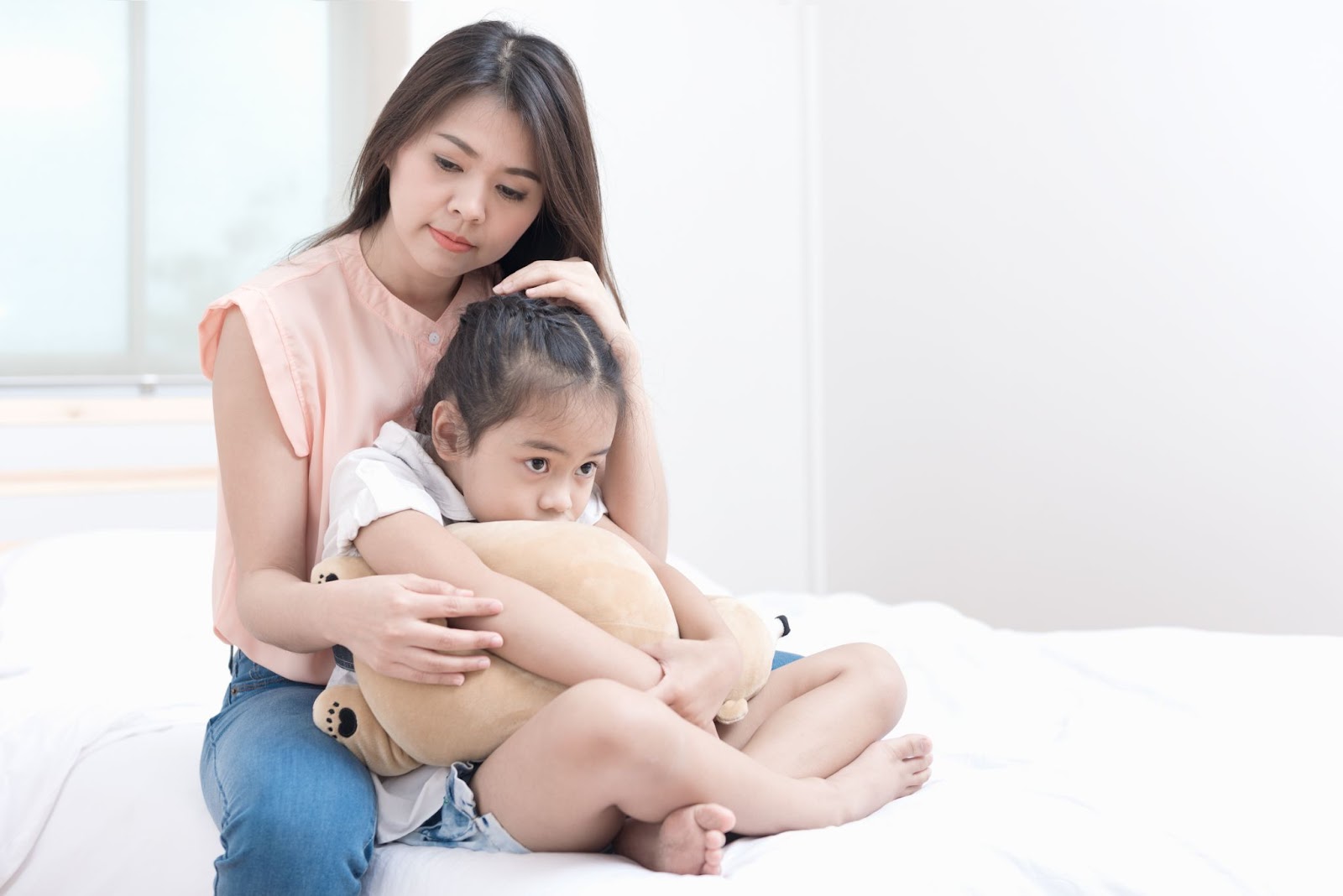
What constitutes a language development delay in a child?

What constitutes a language development delay in a child?

https://www.shutterstock.com/zh/image-photo/happy-mother-cute-baby-girl-studio-41484523


Source: Speech Therapist, Mok Yee Tuen

Typically, babies start making sounds as soon as they are born, such as different crying sounds to express their demands. From 4 to 8 months, they start babbling, which is part of the language preparation period. Children actually go through a ladder of language development, starting with just learning single words and ending with being able to tell stories with their words.

Babies from 9 months to 1 year generally start producing their first meaningful word, such as “ba,”  “ma,” or “ball ball.” From 1 to 2 years old, their understanding and vocabulary expression increase greatly, with the accumulation of single words forming two-word phrases, such as “mommy drink” and “eat bun bun.”

From 2 to 3 years old, children generally speak in longer sentences and can express different needs. For example, they like to add a word to the two-word phrases, forming three-word combinations, such as “Daddy eat bun” and “I want grandma.” Some children start using adjectives, such as “sister eats a big apple.”

https://www.shutterstock.com/zh/image-photo/happy-little-asian-girl-talking-on-448337638 

Young children generally recognize more different sentences and start using conjunctions after 3 and a half years old, and by 5 years old, they slowly understand how to combine different sentences and use more conjunctions and start to narrate things logically, that is, by telling stories.

In fact, the language development of young children is slightly different for each person, but through empirical research, we also have some important reference indicators to see if a child may have a speech delay.

The first is that there are no words at 2 years old.

Second, no sentences appear before the age of three.

The third is that speech is unclear and hard to understand after 3 years old, 

Fourth, sentences are still unclear after 5 years old.

If the child is not speaking more and more as they grow, parents should seek the help of a professional to assess and train them as soon as possible.

如何從小建立自信?

如何從小建立自信?


https://www.shutterstock.com/zh-Hant/image-photo/happy-kid-boy-having-fun-on-2122940930 


資料來源:雅士圖國際幼稚園校監胡善盈校監 


家長可能會問有甚麼提示可以幫助小朋友從小容易建立自信?我認為年紀小的小朋友

是很需要愛,他可能比較自我,可能很著重自己與照顧者的關係,所以我覺得與父母及照顧者的關係很重要。如果他對周邊的人有足夠信任,都會令到他日後與他周邊的人建立關係時更容易。


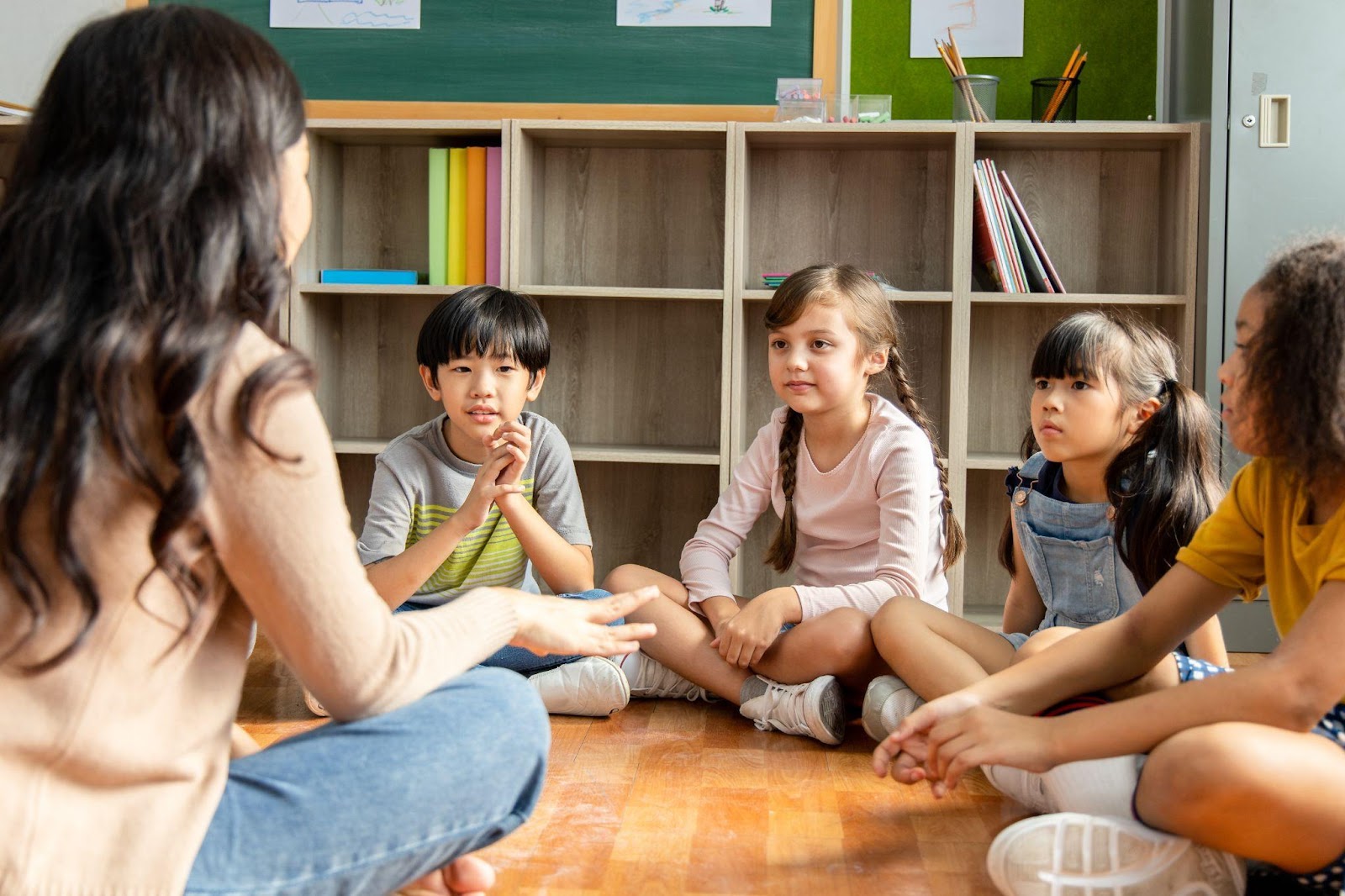
第二點就是很多家長,現在會經常去Play Group。很多時候家長帶小朋友到親子班,可以完全不跟其他小朋友有交流,都能結束親子班。所以很多時候家長說不如多些帶他外出玩,其實多些外出玩或者多到Play Group,不等於小朋友的社交能力或需要與小朋友的社交機會會增加。以學校Play Group為例很,學校盡量都會鼓勵小朋友之間多些互動,例如交換一些物件,甚至是照顧身邊的人。希望小朋友懂得分享或照顧其他人,這些會幫助他以後建立人與人之間的社交關係。


https://www.shutterstock.com/zh-Hant/image-photo/diversity-elementary-school-students-who-sit-1810647043 


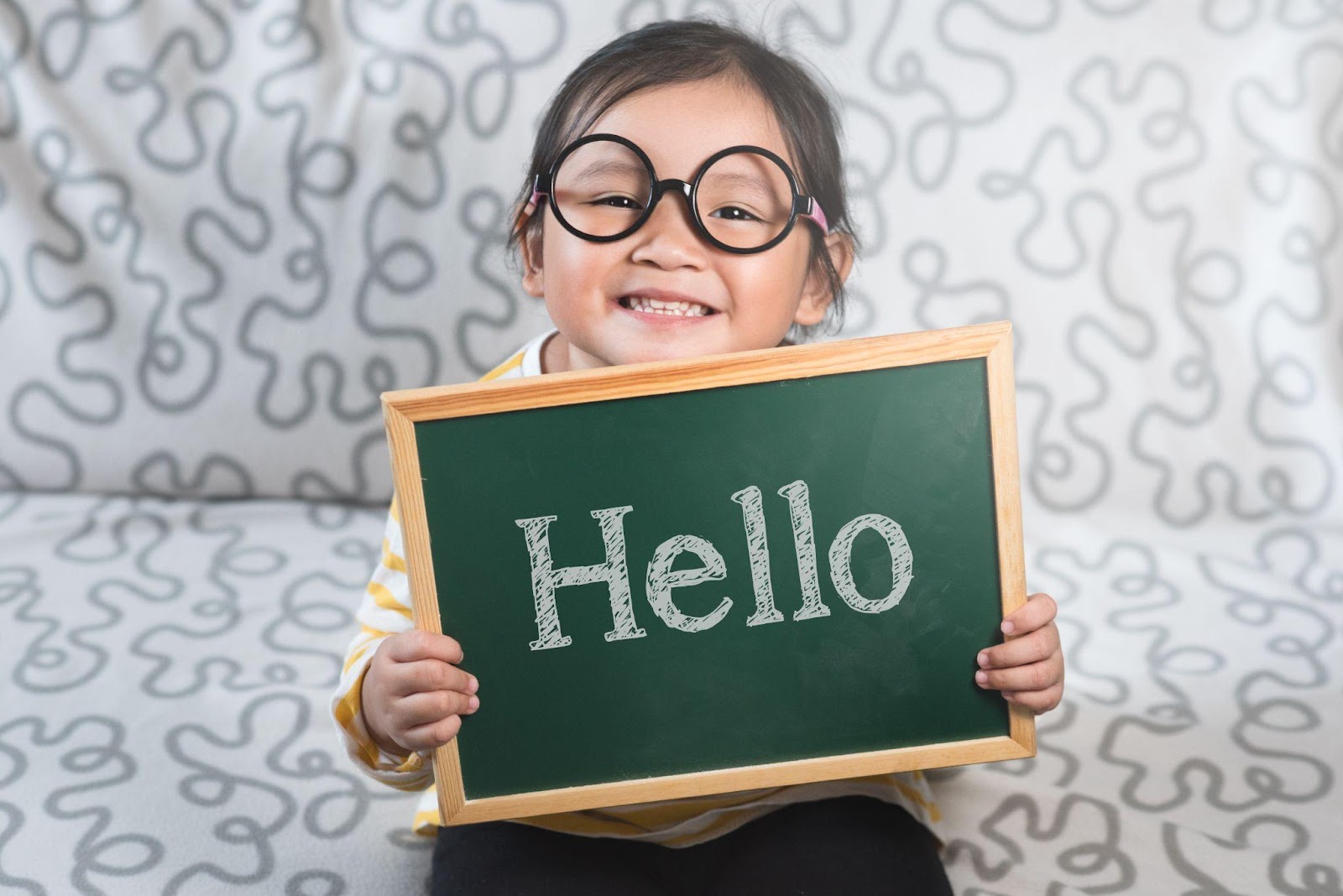
有一樣事情家長也可以做到,就是由生活開始建立他們的社交能力。譬如當帶小朋友外出時,在日常生活看見的人,例如鄰居、樓下保安,甚至超級市場附近的姨姨,可以多些打招呼。可能嬰兒時期用手勢開始,到能運用言語開始每天都做,這可以成為與人建立關係的習慣。


https://www.shutterstock.com/zh-Hant/image-photo/little-asian-girl-holding-chalkboard-word-1552650515 


最後一件事很多家長未必有留意,其實以我的經驗,很多比較內斂或者少說話,或是未必那麼外向的小朋友。你會發現很多時候,他們的爸爸或媽媽都有類似的性格,所以我自己覺得身教很重要。爸爸媽媽可以不妨嘗試,自己踏出第一步,因為幼兒很多時候學習是靠模仿開始。家長不妨調節自己的期望,如果爸爸媽媽其中一方,未必是一個外向性格的人。我覺得都不需要給自己或小朋友太大壓力,要變得特別外向。

How to build self-confidence from a young age?

How to build self-confidence from a young age?


https://www.shutterstock.com/zh-Hant/image-photo/happy-kid-boy-having-fun-on-2122940930 


Source: Aristle International Kindergarten, School Supervisor, Vivian Wu

Parents may ask what tips are available to help children build confidence easily from a young age. I think young children need love. He may be more self-centered and place a lot of emphasis on his relationship with his caregivers, so I think relationships with parents and caregivers are very important. If he has enough trust in the people around him, it will be easier for him to build relationships with the people around him in the future.

The second point is that many parents now go to play groups more often, and often parents take their children to parent-child classes and can finish them without interacting with other children at all. So many times, parents say it is better to take him out to play more often. In fact, going out to play more often or going to play groups more often does not mean that the child’s social skills or the need to socialize with other children will increase. Take the school’s Play Group as an example; the school will try to encourage more interaction between children, such as exchanging objects or even taking care of the people around them. It is hoped that children will know how to share or take care of others, which will help them build social relationships with others in the future.

https://www.shutterstock.com/zh-Hant/image-photo/diversity-elementary-school-students-who-sit-1810647043 


One thing that parents can do is to start building their social skills early in life. For example, when you take your child out, you can greet people you see in your daily life, such as neighbors, security guards downstairs, or even your aunt near the supermarket. Perhaps starting with gestures as an infant and then using words every day can become a habit of building relationships with people.

https://www.shutterstock.com/zh-Hant/image-photo/little-asian-girl-holding-chalkboard-word-1552650515 


The last thing that many parents may not have noticed is that, in my experience, many children who are more introverted or less talkative, or who may not be so outgoing, You will often find that their fathers or mothers have similar personalities, so I think it is important to teach by example. Parents may want to try to take the first step themselves because children often learn by imitation. Parents may want to adjust their own expectations if one of the parents is not an extrovert. I don’t think you need to put too much pressure on yourself or your child to become particularly extroverted.


Categories
Parents Zone Parents Zone Parents Zone Parents Zone Parents Zone Parents Zone

四大破壞親子關係的行為

四大破壞親子關係的行為


https://www.shutterstock.com/zh/image-photo/pretty-little-girl-hates-home-tutor-625057022 


資料來源:資深親職教育專家Bally


不少家長經常會問「為甚麼小朋友這麼不聽話?」、「為甚麼他這麽討厭我?」或「現在愈來愈不理我了。」其實我們當父母的,有四種行為是會令小朋友慢慢地討厭了自己。平日接觸很多家長,他們很多時不自覺地說了一些說話,或者做了一些行為,令小朋友討厭自己,這都是父母沒有留意到的。


第一,是比較。我們經常很自然地對小朋友說「為甚麼你會這樣?」、「弟弟都沒有像你這樣,弟弟很整齊的」及「你看看旁邊的同學多聽父母話」等。當我們經常用「比較」的態度去表達自己時,小朋友一聽到媽媽的聲音,就會覺得很討厭。


第二,很多時候小朋友做錯事,家長都會忽略了其行為背後的動機。當發現小朋友做錯事,我們應先了解行為背後,小朋友想達到的目的,不排除他們是想做一些正確的事。可能是想倒杯水給父母或弟弟,又或他做功課做得不好,其實他已經盡了力,只是精神疲累。


https://www.shutterstock.com/zh/image-photo/attractive-little-girl-looking-angry-away-641333017 


當他做得不好的時候,我們可以先讚賞其行為,「辛苦你了,我知道你很乖想倒水給父母,但是以後不要再倒瀉了」、「這樣很危險的」或「不要走這麽快。」我們讚賞了小朋友後,他便會明白自己是做對了事情,然後才會聽父母建議後再改善。


第三,家長要留意每日下班時,其實是否充滿了負能量,將情緒帶進家裡。當家長看到小朋友行為做得不合意時,可能我們會一連串地地將情緒發洩在小朋友身上。這對小朋友並不公平,可能他只是犯了很少很少的錯誤,卻遭到連串的責怪。


https://www.shutterstock.com/zh/image-photo/caucasian-husband-argument-asian-wife-their-1686233815 


第四,家長要很小心,表達憤怒時會把一些不正確的信息錯誤地灌輸予小朋友。例如「你這樣做,不如不要當我的兒子」。當我們錯誤地用了這麽激動的詞彙,對小朋友的傷害其實是很大的。


家長絕對不可以在小朋友成長過程中犯上這四種行為,否則他們從小就會討厭父母。

Categories
Parents Zone

Four behaviors that damage the parent-child relationship

Four behaviors that damage the parent-child relationship


https://www.shutterstock.com/zh/image-photo/pretty-little-girl-hates-home-tutor-625057022 


Source: Senior Parenting Expert, Bally

Many parents often ask, “Why is the child so disobedient?” “Why does he hate me so much?” or “He is ignoring me more and more.” In fact, there are four types of behaviors that, over time, will cause our children to despise themselves. Many of the parents that I have met in my day-to-day life often unconsciously say or do things that make their children hate themselves. This is what parents do not notice.

First, comparison. We frequently ask children, “Why are you like this?” “Your younger brother is not like you; he is very neat,” and “look at the students next to me; they listen to their parents. “When we often express ourselves in a “comparison” manner, children will feel disgusted when they hear their mother’s voice.

Secondly, when children do something wrong, parents often overlook the motives behind their behavior. When we find out that a child is doing something wrong, we should first understand what the child is trying to accomplish with the behavior. Do not rule out that they are trying to do something right. Maybe he wants to pour a glass of water for his parents or his brother, or he is not doing his homework well, but in fact, he is doing his best and is just mentally tired.

https://www.shutterstock.com/zh/image-photo/attractive-little-girl-looking-angry-away-641333017 


When he is not doing well, we can first praise his behavior by saying, “Thanks; I know you are nice and want to pour water for us, but don’t spill water again.” “It’s dangerous,” or “Don’t walk so fast.” After we praise the child, he will understand that he is doing the right thing, and then he will listen to his parent’s advice and improve.

Third, parents should pay attention to the end of the day if, in fact, they are full of negative energy and bring emotions into the home. When parents see that their children are not behaving in a satisfactory manner, they may take out their emotions on them in a series of ways. This is not fair to the child, who may have made only a few mistakes but is being blamed for a series of them.

https://www.shutterstock.com/zh/image-photo/caucasian-husband-argument-asian-wife-their-1686233815 


Fourth, parents should be very careful that expressions of anger will misinform their children with inaccurate information. For example, “If you do this, you might not be my son.” When we mistakenly use such an aggressive word, it can be very harmful to the child.


Parents should never commit these four behaviors while children are growing up, or they will hate their parents from an early age.

Four behaviors that damage the parent-child relationship

Four behaviors that damage the parent-child relationship


https://www.shutterstock.com/zh/image-photo/pretty-little-girl-hates-home-tutor-625057022 


Source: Senior Parenting Expert, Bally

Many parents often ask, “Why is the child so disobedient?” “Why does he hate me so much?” or “He is ignoring me more and more.” In fact, there are four types of behaviors that, over time, will cause our children to despise themselves. Many of the parents that I have met in my day-to-day life often unconsciously say or do things that make their children hate themselves. This is what parents do not notice.

First, comparison. We frequently ask children, “Why are you like this?” “Your younger brother is not like you; he is very neat,” and “look at the students next to me; they listen to their parents. “When we often express ourselves in a “comparison” manner, children will feel disgusted when they hear their mother’s voice.

Secondly, when children do something wrong, parents often overlook the motives behind their behavior. When we find out that a child is doing something wrong, we should first understand what the child is trying to accomplish with the behavior. Do not rule out that they are trying to do something right. Maybe he wants to pour a glass of water for his parents or his brother, or he is not doing his homework well, but in fact, he is doing his best and is just mentally tired.

https://www.shutterstock.com/zh/image-photo/attractive-little-girl-looking-angry-away-641333017 


When he is not doing well, we can first praise his behavior by saying, “Thanks; I know you are nice and want to pour water for us, but don’t spill water again.” “It’s dangerous,” or “Don’t walk so fast.” After we praise the child, he will understand that he is doing the right thing, and then he will listen to his parent’s advice and improve.

Third, parents should pay attention to the end of the day if, in fact, they are full of negative energy and bring emotions into the home. When parents see that their children are not behaving in a satisfactory manner, they may take out their emotions on them in a series of ways. This is not fair to the child, who may have made only a few mistakes but is being blamed for a series of them.

https://www.shutterstock.com/zh/image-photo/caucasian-husband-argument-asian-wife-their-1686233815 


Fourth, parents should be very careful that expressions of anger will misinform their children with inaccurate information. For example, “If you do this, you might not be my son.” When we mistakenly use such an aggressive word, it can be very harmful to the child.


Parents should never commit these four behaviors while children are growing up, or they will hate their parents from an early age.

Is it true that children who can sit still are learning well?

Is it true that children who can sit still are learning well?

https://www.shutterstock.com/zh-Hant/image-photo/smiling-kid-259023803 


Source: Family Dynamics Counselor, Chan Tsz Wai

Under the current social trend, many parents are worried that their children will not be as smart as other children, that they will not be able to go to a good school, and that they will not have a future. But in fact, the earlier a child can sit still and listen to instructions, the better he or she will learn in the future.

 We first need to understand the brain development of children. In simple terms, the brain can be divided into three layers, from the bottom to the top, in order of priority. The bottom layer is our brain stem and cerebellum, which is responsible for our basic survival functions, such as breathing, heartbeat, body movement, and body coordination; in the middle is our subcortical brain, also known as the sensory brain, because it is responsible for our emotions and memory; and the highest level is the cerebral cortex, where many parents want their children to be smart, to learn more, and to concentrate, which is responsible for our concentration, language, abstract thinking, and logical thinking.

https://www.shutterstock.com/zh-Hant/image-photo/rear-view-cute-little-boy-wearing-1043814103 

However, parents should be aware that our brain development is not complete until our thirties, when our highest level of thinking brain development is achieved. In fact, it depends on whether our lower brain layer has a good foundation.

Children between the ages of zero and two are at the time when their lowest level of activity is developing most rapidly. So they need a lot of physical movement and sensory stimulation to help their brain development. If we force them to sit down too early, we will not be able to build a good foundation for their brains. Many studies now tell us that if we give children a lot of academic training too early in their lives, they will have relatively weak concentration, emotional regulation, self-confidence, or learning abilities. This is why we are seeing many children and adolescents with depression, anxiety, and other mental health problems at an early age.

In addition, children at this stage need to feel safe because their brains are not developed enough to calm themselves, so when they are uncomfortable or feel insecure, they will cry loudly for help. This is a natural need, and parents who encounter a child in this situation can hold him, pat him, or tell him, “Mommy is here!” Maybe he feels insecure when he goes to some unfamiliar place, and if the child establishes a healthy sense of security and parental relationship at this stage, this is actually a good foundation for future healthy development.

https://www.shutterstock.com/zh-Hant/image-photo/mother-comforting-crying-daughter-family-problem-287559971 


As for choosing a kindergarten, parents should know whether the school can match the growth and development of the child, or when the child is preparing for the interview, parents can go to the school earlier to observe the school and its surroundings and take their child to play so that he or she can get familiar with the environment. Before the interview, you can take him to play and tell him that the teacher will play with him and he may talk to you, so there is no need to put too much pressure on him and he does not know what will happen when he enters the school.


But finally, if parents find that their child’s development, such as language, self-care, and social skills, is not as good as that of children of the same age when he or she reaches the age of two, they should seek an assessment from a pediatrician as soon as possible to find the right way to help him or her.

Categories
Parents Zone Parents Zone Parents Zone

幼兒能夠坐定定就代表學習得好?

幼兒能夠坐定定就代表學習得好?


https://www.shutterstock.com/zh-Hant/image-photo/smiling-kid-259023803 


資料來源:家庭動力心理輔導員陳子慧


在現在的社會大趨勢下,其實很多家長都會擔心自己的小朋友不夠其他小朋友聰明,讀不到好的學校,將來便會無前途。但其實小朋友可以愈早可以安定地坐著,會聽人的指示,就是等於將來學習得好?


我們先要認識小朋友的腦部發展,簡單來看腦部可以由下至上分三層,有先後次序,最底層是我們的腦幹和小腦,負責我們基本的求生功能,例如呼吸、心跳、身體的行動及身體的協調;去到中間的是我們皮質下腦,又可以稱為感受大腦,因為是負責我們情緒和記憶;而最高層就是很多家長希望小朋友聰明、能學習多一點及可以專心點的大腦皮質,它就是負責我們的專注、語言、抽象思維及邏輯思考。


https://www.shutterstock.com/zh-Hant/image-photo/rear-view-cute-little-boy-wearing-1043814103 


不過家長要留意我們大腦發展完全要去到三十多歲,而我們的最高層的思考大腦發展究竟發展如何?其實要看我們底下層的腦,是否有一個很好的根基。


而零至兩歲這個階段的小朋友,正正是他們的最底層活動大腦發展得最迅速的時間。所以他們需要很多身體走動及感官刺激,去幫助他們的大腦發展。如果我們過早強迫他們安坐著的話,反而令到他的大腦沒有辦法打好根基。現在很多研究告訴我們,如果我們在早期階段過早給予小朋友有很多學術訓練,反而他們專注力、情緒調節、自信心或學習能力都會相對較弱。所以我們現在看見很多小朋友及青少年,很早便開始有抑鬱症、焦慮症和其他精神健康的問題。


另外這個階段的小朋友是很需要安全感,因為他們的大腦發展未可以令他安撫自己,所以當他們不舒服或感到不安全的時候,便會大聲地哭泣去求救。這是一個自然的需要,家長如果

當遇到小朋友有這個情況時候,可以抱住他、拍下他或者告訴小朋友「媽媽在這裡啊!」可能他去到一些陌生地方,覺得不安全,而這一個階段如果小朋友建立到一個很健康的安全感和父母的關係,其實這就是為將來健康發展打了一個好基礎。


https://www.shutterstock.com/zh-Hant/image-photo/mother-comforting-crying-daughter-family-problem-287559971 


至於選擇幼稚園,其實家長便要了解這間學校是否可以配合小朋友的成長發展,又或者小朋友當小朋友預備去面試,家長可以預早一點去學校,觀察學校及周圍環境,帶小朋友去玩,讓小朋友可以熟絡這邊的環境。到面試之前又可以先帶他去玩耍,接著便告訴他其實等會入到學校

老師會跟你玩耍和老師可能會跟你聊天,不需要給予他太大的壓力,入到學校不知道會發生甚麼事。


不過最後如果家長發覺小朋友去到兩歲,在各方面的發展,例如語言、自理能力及社交等,都和同齡的小朋友差一段距離的話,就要快點找兒科醫生做一個評估,盡快找適合的方法幫助小朋友。

小朋友經常推卸責任 家長應問責?

小朋友經常推卸責任 家長應問責?


https://www.shutterstock.com/zh-Hant/image-photo/clueless-korean-girl-shrugging-shoulders-looking-1810298281 


資料來源:心理治療師李偉堂 


每每有事發生,小朋友就會以不同藉口,將責任推卸到別人身上。家長可能會因而責罵小朋友,但如此一來,可能會令小朋友更逃避承擔責任,面對這種情況,家長可以怎樣做?


首先當家長問小朋友「事情為甚麼沒完成?」或「為甚麼不懂?」的時候,家長是想小朋友承擔責任。但這時候小朋友會想要推搪,將責任交給其他人,歸根究底家長心裡其實都想小朋友做到這個責任。你要知道負責任最開始是小朋友有沒有空間去做決定 ,因為有空間叫作有自主的感覺。如果小朋友能夠有一種自主的感覺,會更加容易負責任。


https://www.shutterstock.com/zh-Hant/image-photo/asian-boy-academic-pressure-on-student-1034156419 


舉例他不懂做功課,問他為甚麼不懂,他說老師沒教、老師教得不好或其他同學很吵。那一刻如果家長繼續要說他不專心,只會令小朋友把責任拋得更遠。所以這個時候我們要知道既然要面對困難,我們要怎樣做得更好,然後跟小朋友一起想辦法。


小朋友會覺得他有責任去做好事情,自然他就會把責住放回自己身上讓自己做到。而當小朋友能夠自己做到事情,他便會更願意承擔責任。所以這是我常說家長最重要的不是問責,因為問責只會教會小朋友卸責,而相對我們可以幫小朋友一起承擔責任,完成事情。這就是我們常教小朋友,承擔責任最重要的心得。

Children often shirk their responsibilities, and parents should be held accountable?

Children often shirk their responsibilities, and parents should be held accountable?


https://www.shutterstock.com/zh-Hant/image-photo/clueless-korean-girl-shrugging-shoulders-looking-1810298281 


Source: Psychotherapist, Lee Wai Tong

Whenever something happens, children will use different excuses to shirk their responsibility toward others. Parents may then scold the child for this, but this may make the child avoid taking responsibility. Faced with this situation, what can parents do?

First of all, when parents ask children, “Why didn’t you finish the work?” or “Why don’t you understand?” Parents want their children to take responsibility. But at this time, the child will want to shirk the responsibility and give it to someone else, but at the end of the day, the parents actually want the child to take responsibility. You should know that responsibility starts with the child having the time to make decisions because having the time is called having a sense of autonomy. If children can have a sense of autonomy, they will be more likely to be responsible.


https://www.shutterstock.com/zh-Hant/image-photo/asian-boy-academic-pressure-on-student-1034156419 


For example, if he does not know how to do his homework and is asked why he does not understand, he will say that the teacher did not teach him, the teacher did not teach him well, or that the other students were noisy. At that moment, if parents continue to say that he is not concentrating in class, they will only make the child throw the responsibility further away. So at this point, we need to know how to do better since we are facing difficulties and then work with the child to figure out how to do it.


The child will feel responsible for doing a good job, so naturally he will put the responsibility back on himself and let himself do it. And when children can do things on their own, they will be more willing to take responsibility. This is why I always say that the most important thing for parents is not to be accountable because accountability only teaches children to unload their responsibilities, while we can help our children take responsibility and accomplish things together. This is the most important lesson we often teach our children about responsibility.